Print 200 Industrial
The configurable and scalable metal 3D printer that optimizes production capacity relative to the investment
Print 200 Industrial is the 100% Made in Italy metal 3D printing solution for advanced prototyping and small-batch production. Configurable with single or dual lasers (up to 4), depending on applications and production needs, from prototyping to production. As an open system, Altform printers are compatible with a wide range of metals and alloys, with no material restrictions. Scalable to produce parts up to 1 meter in size, offering an excellent balance between production capacity and investment.

Discover Altform's Print 200
- Print Volume
- Ø 200 x 200 mm
- Laser Type
- 1 o 2 x Yb 200 / 300 / 500 W IR single mode (100% overlap)
- Available Configurations
- Print Sharp 200 – single IR laser, a versatile platform for prototyping and small-batch production
Print Genius 200 – dual IR lasers for greater productivity
- Laser spot diameter
- 60 μm (on focus)
- Layer Thickness
- 20 – 80 μm
- Machine Dimensions
- 1100 (W) x 600(D) x 1800(H)mm
- Weight
- 1500 kg

Advanced Industrial Prototyping
Functional prototypes that meet material and performance requirements, not just aesthetic ones.
Rapid iterations on complex geometries and component optimization.
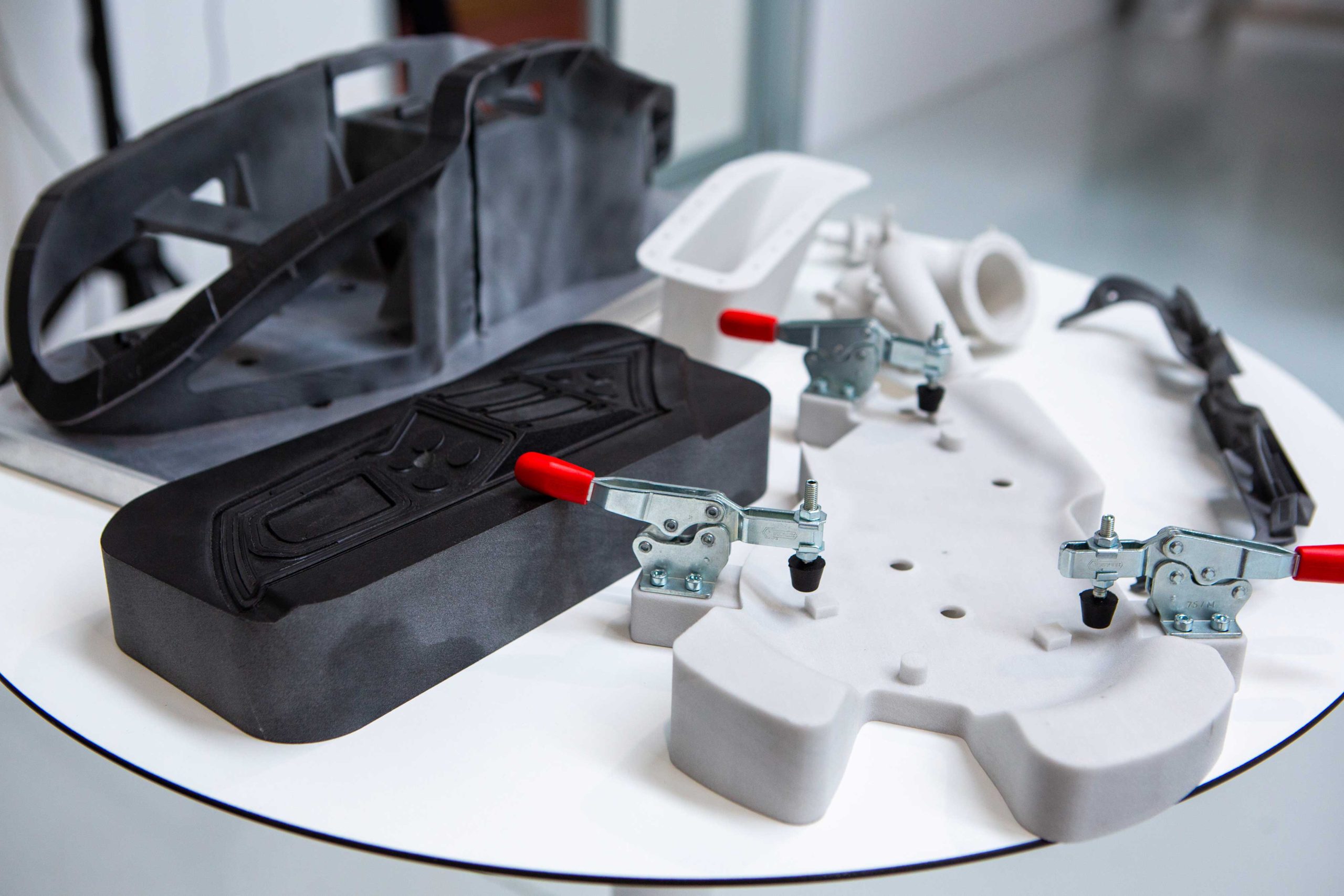
Small-batch production and pre-production
Production of small batches with repeatability and process quality control.
Validation of components before scaling up to larger platforms or automated lines.
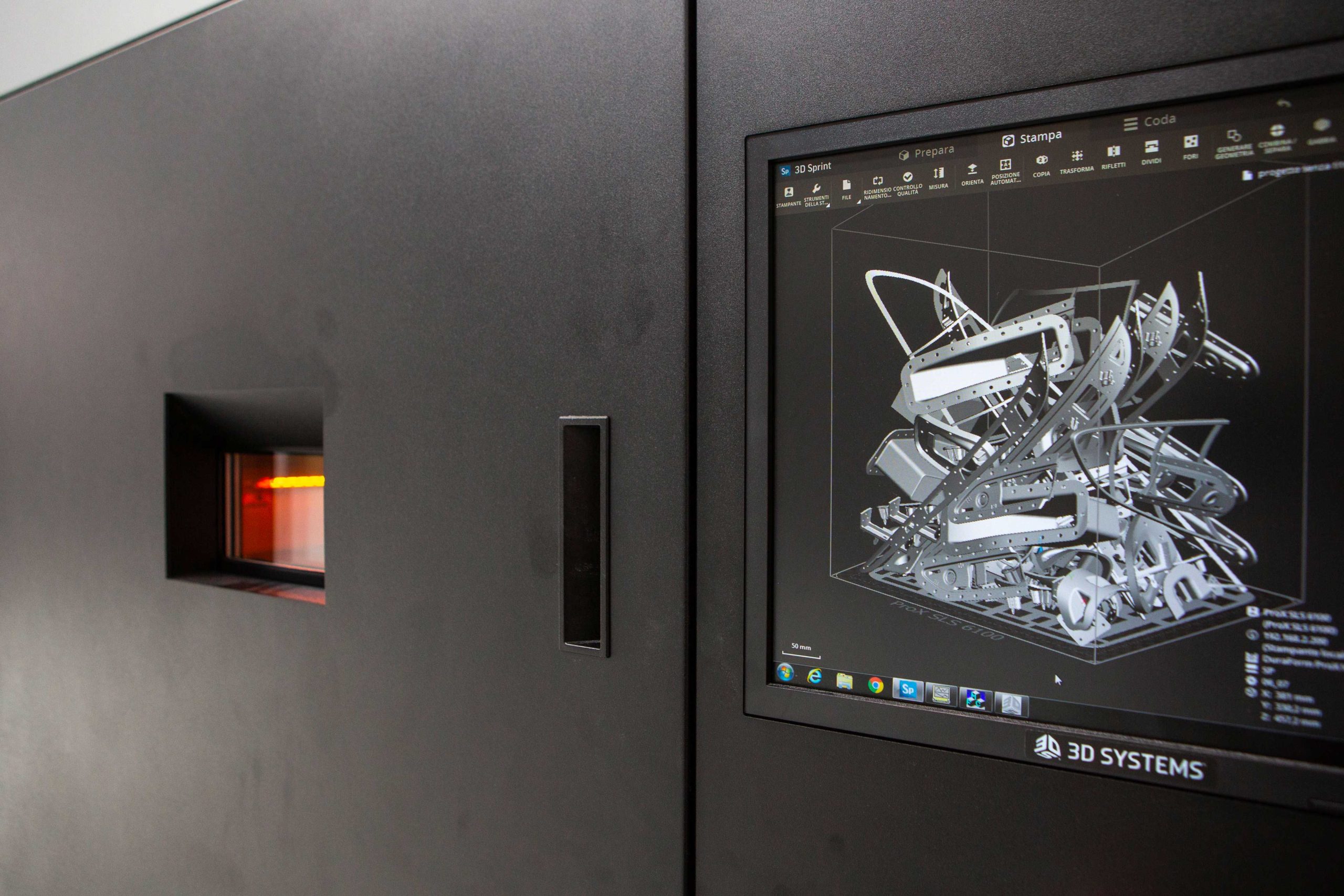
Qualification of Materials and Parameters
Definition and standardization of process recipes.
Development of parameters for new alloys or specific requirements (density, microstructure, finish).
The Print 200 series incorporates a digital ecosystem focused on operations, control, and process continuity.

CAM
- Materialise Magics for job preparation, build management, supports, and production workflows
AI-powered HMI (Human-Machine Interface)
- Operator interface designed to reduce complexity and variability in daily tasks
- Guided workflows for setup and print management
- Features to support maintenance and operational continuity
Integrated AI Assistant
- Contextual support for operators and maintenance personnel (step-by-step guidance)
- Suggestions for settings and troubleshooting, based on machine status and the job
- Foundation for advanced monitoring and anomaly detection during the process
Connectivity and Remote Management
- Access from the machine, desktop, and mobile devices to monitor status, jobs, and key parameters
- Useful tools for multi-user environments (R&D + production) and for technical support
The series features a bidirectional recoater to reduce cycle times and, in the dual-laser version, a dynamic load balancing algorithm that efficiently distributes the workload between the lasers to reduce build times and maintain consistent quality. Operations are supported by the AI-powered HMI, which offers assistance, monitoring, and remote connectivity features.
Versatility that scales with you. From prototyping to small-batch production, without changing platforms.
The Print 200 series covers the entire process that many companies go through: functional prototyping, validation, small-batch production, and qualification. The option to choose between single- and dual-laser configurations allows you to tailor the machine to your actual productivity and growth goals.

Dual laser with dynamic balancing. Increased productivity, consistent quality, and reduced build times.
In Print Genius 200, the dynamic load balancing algorithm efficiently distributes the workload between the two lasers. The practical benefit is reduced processing time while maintaining process consistency across the entire workload, with a reliable, production-oriented approach.

Open Parameters for industrial qualification. Comprehensive control over materials, parameters, and application strategies.
Open parameters mean the freedom to experiment and identify the materials best suited to your application—which is essential for those working with specific material requirements, performance criteria, or internal standards. This is the foundation for moving from prototyping to establishing repeatable processes.

Software and connectivity for more robust operations. AI-powered HMIs, operator assistance, and remote monitoring
The digital ecosystem reduces complexity and variability: it supports the operator, enables remote access, and simplifies management in situations where multiple people interact with the machine. This provides a tangible benefit in terms of operational efficiency and production continuity.

Download
Want to learn more?
Would you like to learn more about Print 200? Contact us: our team of 3D printing experts is here to help.